Navigating Pathways to Adulthood in an Era of Precarity: Latino Young Adults on the Community College Pathway
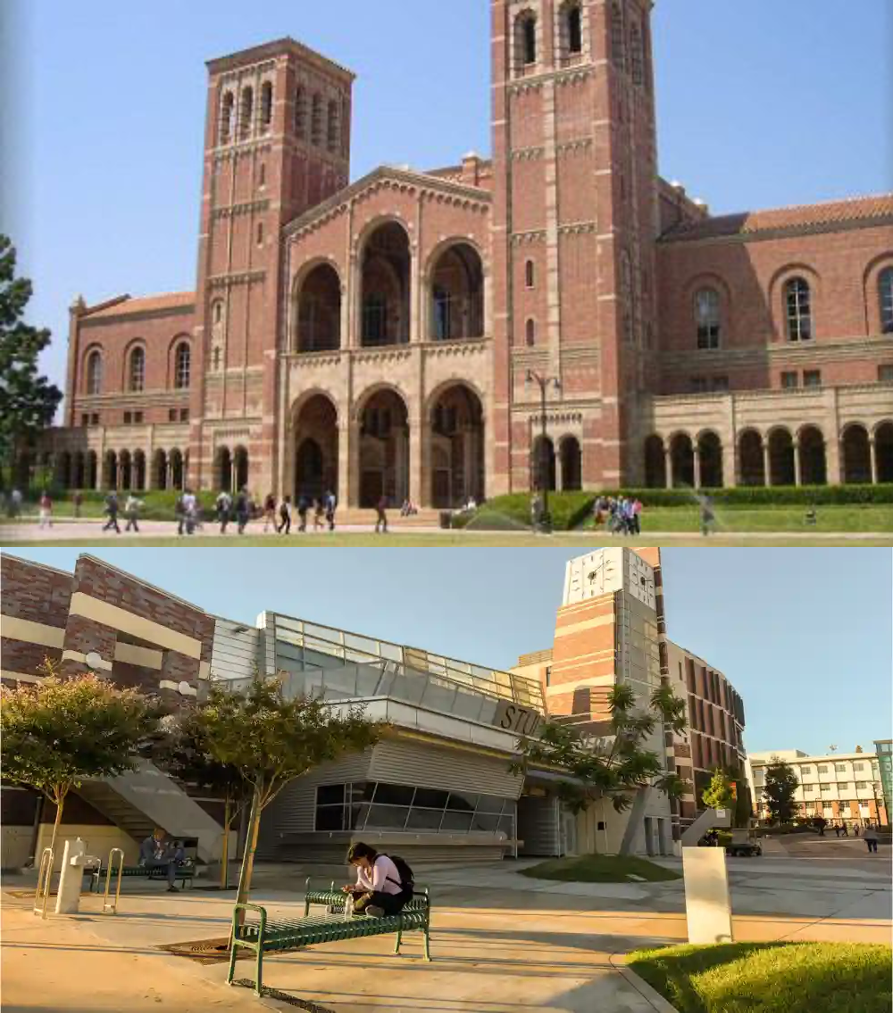
In California, most young Latinos who attend college will attend a community college. Yet the experiences of these young adults remain understudied by sociologists who examine the transition to adulthood and higher education.
Instead, most sociological research on college-going young adults has focused predominantly on White young adults at four-year universities. In my dissertation study, I turn attention to the critical yet understudied population of Latino young adults who attend or have previously attended community college in California.
Through my dissertation and book project, I aim to better understand the diverse experiences of Latino young adults who attend community college at some point during their lives. Drawing on 85 life history interviews with current community college students, transfers, graduates, and stop-outs, I examine how students’ social origins as children and descendants of Latino immigrants interact with institutions of higher education to shape students’ educational and social mobility trajectories.
Fulfilling the UC PromISE: Strengthening Access to Essential Needs Services for Undocumented and Immigration-Impacted Latinx UC Students

Undocumented students and immigration-impacted students face immigration-related barriers to meeting their essential needs. Drawing on surveys, focus groups, and in-depth interviews, I worked with Professors Enriquez, Landry, Payán, Christine Nguyen, and Giovanna Itzel to examine how undocumented and U.S. citizen children of undocumented parents manage essential needs insecurity under conditions of social exclusion from programs intended to prevent severe insecurity. A manuscript for this project, titled “Multi-level Factors Influencing College Campus Basic Needs Service Utilization: A Focus on Latino Immigration-Impacted Students in California,” has been published in the Journal of Racial and Ethnic Health Disparities. Another manuscript titled, “What is Essential?: Legal Vulnerability and the Hierarchy of Basic Needs Among Immigration-Impacted College Students” has received a revise and resubmit at the Journal of Diversity in Higher Education.
When Opportunity Knocks: A Latent Class Analysis of College Preparation Programming and Variation in FAFSA Completion Among Latino Students in the California Central Coast

College access programs have expanded rapidly across California, especially in schools serving working-class Latino communities. Yet even within these seemingly homogeneous contexts, such programs do not affect students uniformly. Who benefits most from these interventions, and who gets left behind? Using a unique dataset of Latino students on California’s Central Coast and latent class analysis, my co-authors, Travis Candieas, Eric Holden, and I find that efforts to instill bureaucratic cultural capital land unevenly across students with otherwise similar social backgrounds. These findings reveal important heterogeneity among Latino students and suggest new directions for rethinking college access programs so they more effectively serve the full range of students they aim to support. This manuscript, “When Opportunity Knocks: Differences in California High School Seniors’ Cultural Capital Preferences and Access to Financial Aid,” has received a revise and resubmit at the Journal of Latinos and Education.

