Navigating Pathways to Adulthood in an Era of Precarity: Latino Young Adults on the Community College Pathway
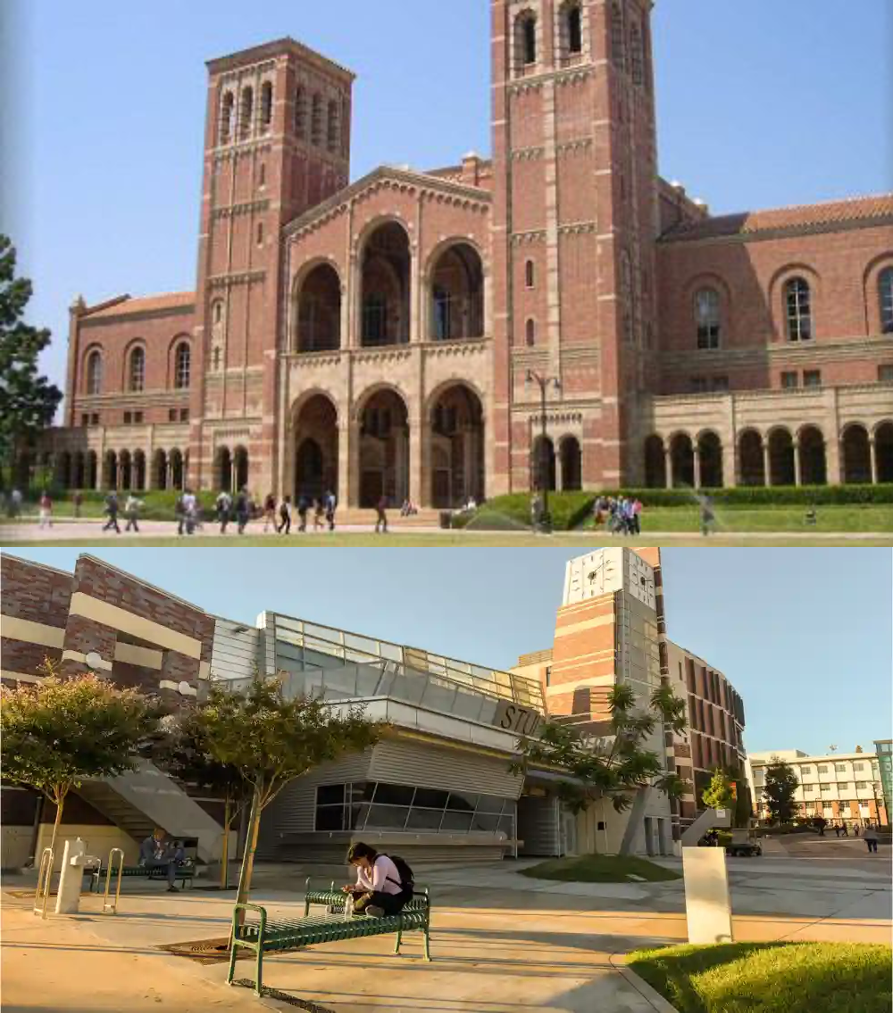
In California, most young Latinos who attend college will attend a community college. Yet the experiences of these young adults remain understudied by sociologists who examine the transition to adulthood and higher education.
Instead, most sociological research on college-going young adults has focused predominantly on White young adults at four-year universities. In my dissertation study, I turn attention to the critical yet understudied population of Latino young adults who attend or have previously attended community college in California.
Through my research, I aim to better understand the diverse experiences of Latino young adults who attend community college at some point during their lives. Drawing on life history interviews with current community college students, transfers, graduates, and stop-outs, I examine how students’ social origins as children and descendants of Latino immigrants interact with institutions of higher education to shape students’ educational and social mobility trajectories.
Fulfilling the UC PromISE: Strengthening Access to Essential Needs Services for Undocumented and Immigration-Impacted Latinx UC Students

Undocumented students and immigration-impacted students face immigration-related barriers to meeting their essential needs. Drawing on surveys, focus groups, and in-depth interviews, I worked with Professors Enriquez, Landry, Payán, Christine Nguyen, and Giovanna Itzel to examine how undocumented and U.S. citizen children of undocumented parents manage essential needs insecurity under conditions of social exclusion from programs intended to prevent severe insecurity.
When Opportunity Knocks: A Latent Class Analysis of College Preparation Programming and Variation in FAFSA Completion Among Latino Students in the California Central Coast

College access programs have proliferated across California. What happens when a college access program takes place across schools that are majority working-class and Latino? Who do these programs appear to impact the most, and who gets left behind? This project draws on a unique dataset of Latino students on the California Central Coast to examine how programs intended to inculcate bureaucratic cultural capital land differently across heterogeneous student groups despite their similar social backgrounds, suggesting new avenues for developing college access programs to better meet the diversity of students they aim to support.
 Jose J. Gutierrez